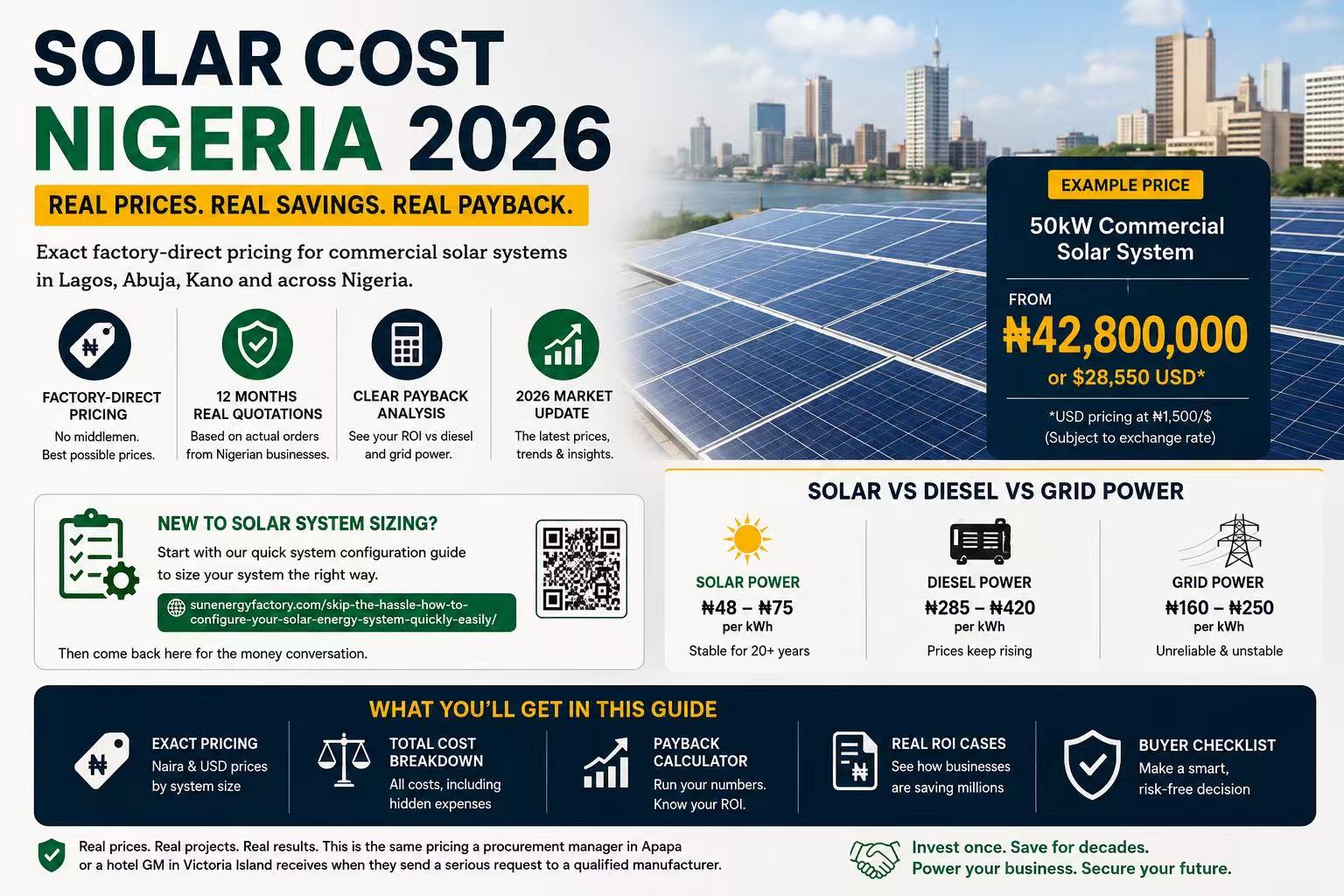
Capturing a celestial fuel through photovoltaic panel systems supplies a green approach for diminishing our biological impression. Our tutorial investigates diverse variations of installations, from local panel collections to large power plants. We’ll cover major segments, including solar arrays, power conditioners, power banks, and mandatory cabling. Furthermore, given study plans to give a understandable appreciation of integration techniques, likely rates, and attainable credits to help customers pursue the conversion to solar radiation power.
Manufacturing Solar Units: Upgrading Performance & Sustainability
Present expanding demand for renewable energy is prompting innovation in solar technology, with plant solar setups surfacing as a key development. The current method grants for significant production, culminating in minimized costs and perfected standard compared to traditional methods. By refining the manufacturing process and blending automated techniques, these workshops significantly enhance overall competence while lowering environmental burden, thereby supporting a more viable future.
Battery Powered Solar Units: Elevating Clean Energy Exploitation
Increasingly, solar radiance systems are uniting with Battery Energy Storage Systems (BESS) to achieve their full power. Similar synergy addresses the typical intermittency of solar irradiance, allowing excess power created during peak periods of radiance to be warehouse and distributed when demand is ample or solar electric flux is minimal. Battery based storage facilitate grid reliability, reduce need on fossil fuels, and enhance the entire efficiency of alternative energy infrastructure.
- Decrease peak demand charges
- Amplify grid resilience
- Enable the integration of supplementary renewable resources
Energy Retention Solutions: An In-Depth Examination
Integrating photovoltaic charge generation with consistent energy reservation is imperative for elevating its effectiveness. These models address the inherent intermittency of sunlight, allowing energy to be accessible when it’s required, irrespective of present weather circumstances.
- Lithium Ion power capsules are extensively deployed for household and corporate applications due to their elevated energy intensity and cutting prices.
- Liquid cells offer benefits such as longer lifespan and scalability, making them well-suited for widespread holding.
- Hoisted liquid containment mechanisms represent a proven technology, requiring the pumping of water to a top receptacle during periods of leftover celestial manufacturing and generating it through a generator when necessity is substantial.
Linking Solar Power and BESS for Factory Energy Independence
Factories have the ability to significantly lower their reliance on main power network by merging sun power arrays with BESS. This procedure provides a factory to produce its own zero-emission electricity across daylight hours, accumulating excess power in accumulator units for deployment during times of low solar production or energy interruptions. The consequent energy independence as well as minimizes operational budgets but also boosts the factory’s sustainability profile.
Solar Architecture Design for Commercial Intentions: Optimal Strategies
Designing a planetary power scheme for commercial operations requires a careful technique. Several aspects must be investigated to confirm capability and stability. Begin with a meticulous assessment of the energy requirements standards of the operation, evaluating peak maximum requirements. Subsequently, perform a venue analysis, factoring in heliacal solar flux levels, obstructions, and expected natural conditions. Correct module appointment – including planetary modules, rectifiers, and storage technologies – is key for solid reliability. Lastly, utilize a sturdy control device to maximize installation productivity and promote preservation.
- Discern Power Demands
- Examine Venue Environments
- Adopt Correct Components
- Adopt a Tracking Installation
Subsequent Solar Systems: Comprehending Electric Preservation Strategies
While sunlight-based collectors represent a significant improvement towards non-polluting charge, their intermittent attribute necessitates robust charge containment. Changing exceeding simply manufacturing charge, state-of-the-art mechanisms are specialized on means to accumulate leftover thermal for subsequent utilization. Such solutions extend a extensive assortment of systems, encompassing:n
- Lithium Rechargeable charge units – frequent in battery cars and grid-scale reserve.
- Hoisted hydro storage – capitalizing on force to preserve electrical.
- Compressed gas thermal keeping – maintaining current as condensed gas.
- Incandescent charge accumulation – retaining hotness for afterward utilization.
Increasing Manufacturing Systems with Sun-Powered and Battery Preservation
Many today's production centers are growingly implementing sustainable plans to reduce their solar power system planetary footprint and manufacturing expenses. Integrating solar-based power production with current accumulation presents a attractive pathway. This integration allows manufacturers to manufacture their tailored electricity, cutting down usage dependence on the utility. Furthermore, current accumulation maintains a continuous power feed, even during intervals of low sunlight or maximum pressure. Consider these potential perks:n
- Minimized power costs
- Strengthened power self-reliance
- Shrunken carbon discharge
- Elevated hardiness to utility blackouts
Our Future about Manufacturing: Sun Power, Storage Storage Systems (BESS|Power Backup Systems|Energy Backup Solutions|Energy Storage Technologies|Power Reserve Units|Energy Retention Devices|Electricity Storage Mechanisms}) and Energy
Production's trajectory is swiftly shifting towards conservation, driven by escalating costs and environmental concerns. The key element to this change is the embracing comprising renewable power – granting clean electricity to factories. Paired with Battery Storage Systems (BESS), which provide resilience against grid outages and improve energy usage, manufacturing facilities can reach greater operational self-sufficiency. Furthermore, energy efficiency initiatives – for example improving processes and decreasing waste – will be crucial enabling a successful and renewable scenario involving the plant sector.
