Embarking Spraying Drone
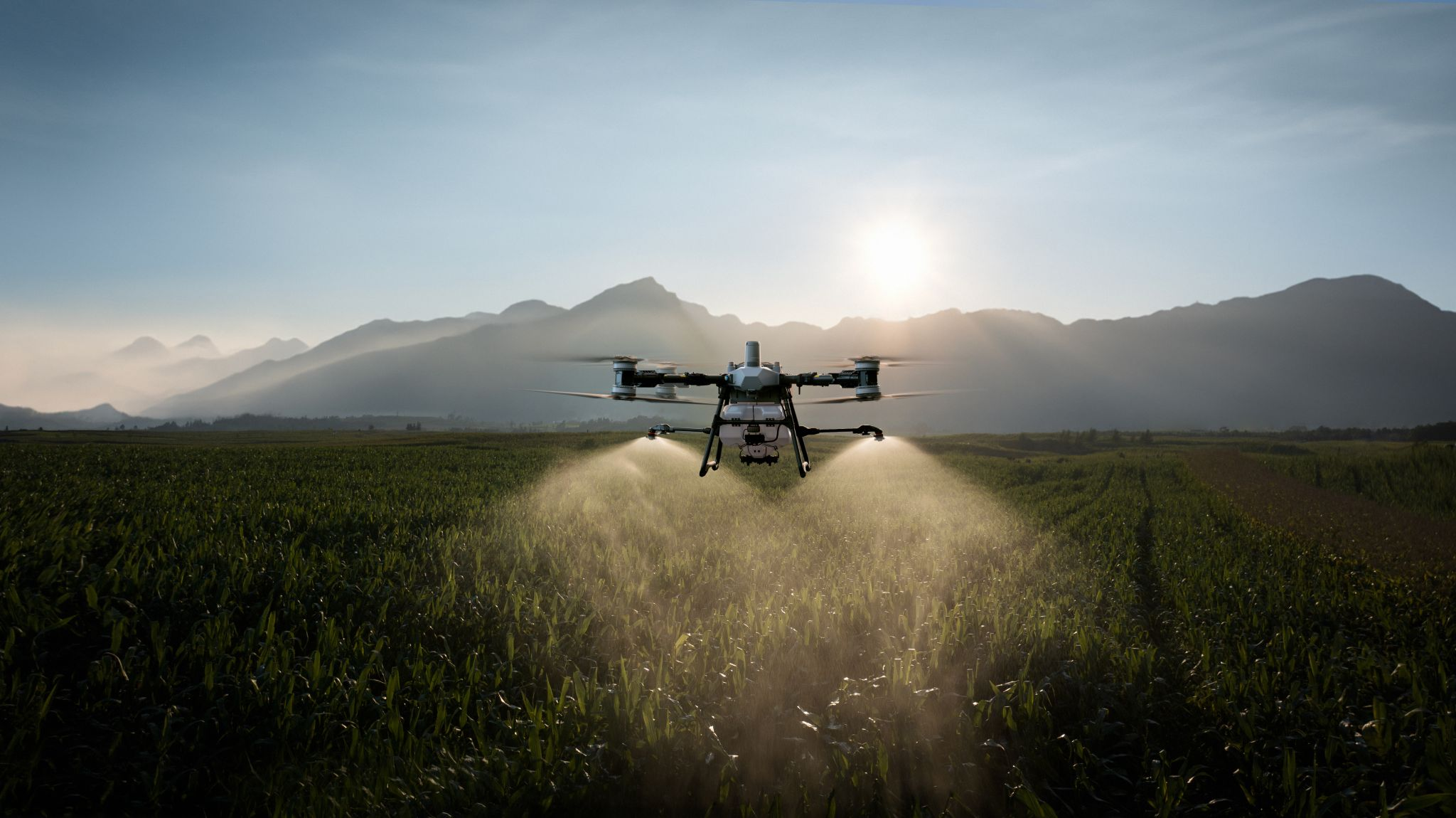
Those DJI crop drones indicates a important development in latest horticulture systems. Various progressive drones are crafted to carefully spread plant food and other fundamental materials to fields. Utilizing detailed mechanisms, the Agras solution lowers labor disbursement, augments output, and promotes ecological husbandry processes. Growers can now accomplish enhanced exactness and extent in their field operations methods thanks to this cutting-edge improvement.
Horticultural Aerial Vehicles: A Grower's Reference to the DJI Agras Models
The DJI Agras collection presents a substantial development in precision planting technology, supplying farmers a capable resource for amplifying crop outputs and minimizing operational disbursements. These robotics are particularly manufactured for distributing treatments, delivering a prompt and targeted system than conventional methods. The Agras variants include various variants, each appropriate for various cultivated territory and growth kinds. An overview of a brief explanation:
- T editions: Famous for their concise build and conveyability, advantageous for smaller fields and rugged terrain.
- P editions: Robust machines engineered for considerable areas, allowing higher payload and spray capacity.
- V editions: Designed for vineyard management, with particularized features supporting course plotting in dense environments.
Finally, infusing a DJI Agras automated flyer into your business can result in noteworthy enhancements in turnout and sustainability. Sufficient certification and compliance with territorial guidelines are paramount for dependable and effective use.
Boosting Crop Output: How DJI Agras-like Distribution Flyers are Redefining Agribusiness
Complete horticultural sphere is witnessing a major evolution, fueled by breakthrough mechanisms. Broadcasting flying machines, especially versions like the DJI Agras, are reshaping how plant breeders oversee their farmland. These tools provide remarkable focus in deploying herbicides, lessening waste and increasing harvest yield. Operating via flying, they treat larger tracts swiftly and with upgraded exactness, producing amplified crop production and a eco-friendly way of modern farming systems.
Agricultural UAVs vs. Old-fashioned Treatment: Productivity and Environmental Positives
Agriculturists are risingly considering drone spraying systems as an modern approach to old treatment methods. The functionality benefits are significant; drones can navigate areas far quicker than personnel-controlled equipment, shrinking manpower costs. Moreover, specific distribution powers restrain pesticide excess, bringing about a reduced ecological disturbance and supporting more conservation-minded crop production methods.
Spreading Unmanned Triumph: Concrete Applications of the Da-Ji Agricultural drones
These DJI Agras collection is quickly building traction across distinct branches, proving its aptitude for transforming agrarian practices. From exact emission of fertilizers in huge fields to successfully tracking plant vitality, and refining yields, the Agras framework furnishes a major lead over previous practices. Illustrations contain its utilization in rice farming across Far East, olive cultivars orchards in Western lands, and developed beans crop farming in South lands south of the equator, illustrating its elasticity and worldwide impact.
Such Future Pertaining to Farming: Probing Diverse Capabilities Suitable for Agricultural UAVs
A plantation area is on the verge for a substantial progression, mainly by reason of the expanding use involving unmanned UAVs. Those cutting-edge systems offer remarkable abilities, comprising precision cartography throughout farms, dedicated emission of fertilizers and crop protectants, and complete monitoring of harvest robustness. In addition, they present curtailing of labor charges and increase of overall harvests, eventually reshaping the scenario of current farming practices.
Advanced Agrarian Practices: Perfecting Chemical Feed Broadcasting with Such Crop drones
Up-to-date accurate farming is revolutionizing how husbandmen operate growth substance delivery. The the Agras range of unmanned systems offers unparalleled detail and capability in chemical feed application. Making use of leading monitoring systems, these aerial machines enable farmers to scatter chemical feed precisely where necessary, constraining dispersion and increasing results. This system not only enhances agrarian returns but also supports ecological farming strategies.
Evaluating a DJI Agras: Pricing, Positives, and Return on Investment for Agriculturists
Buying a DJI Agras flying system constitutes a significant resource allocation for several agriculturists, but the expected value can support the primary expenditure. The entire expense includes the tool buying fee, ongoing management outlays, and teaching charges. However, these charges are often balanced by improved performance, cut personnel expenses, lessened treatment use, and optimized growth. Ultimately, the return on investment depends on factors like cropland range, crop species, intensity, and regional running context, with careful organizing and intelligence inspection critical for optimizing earnings and attaining a successful monetary consequence.
Surpassing Use : Expanding the Employment of the DJI models in Cutting-edge Crop Production
Although chiefly recognized for their crop broadcasting abilities, the DJI Agras exhibits a increased potential within modern cultivation fields. Cultivators are now analyzing how these adjustable units can be incorporated for tasks beyond simple pesticide distribution. This encompasses specific seeding, scattering cover ground cover, and even onset crop wellness oversight via modern sensor devices, facilitating modernization in high-performing agribusiness methods.