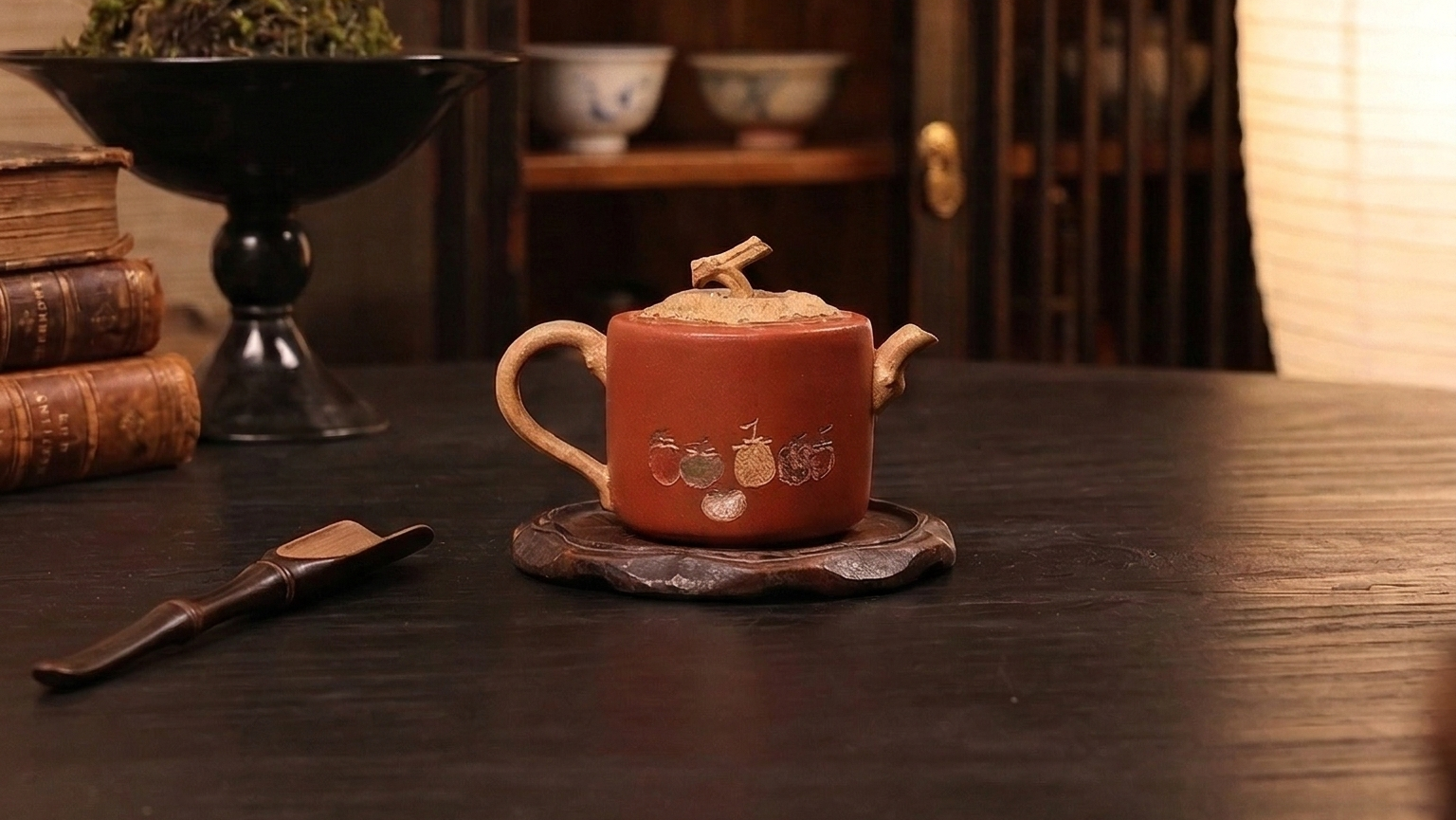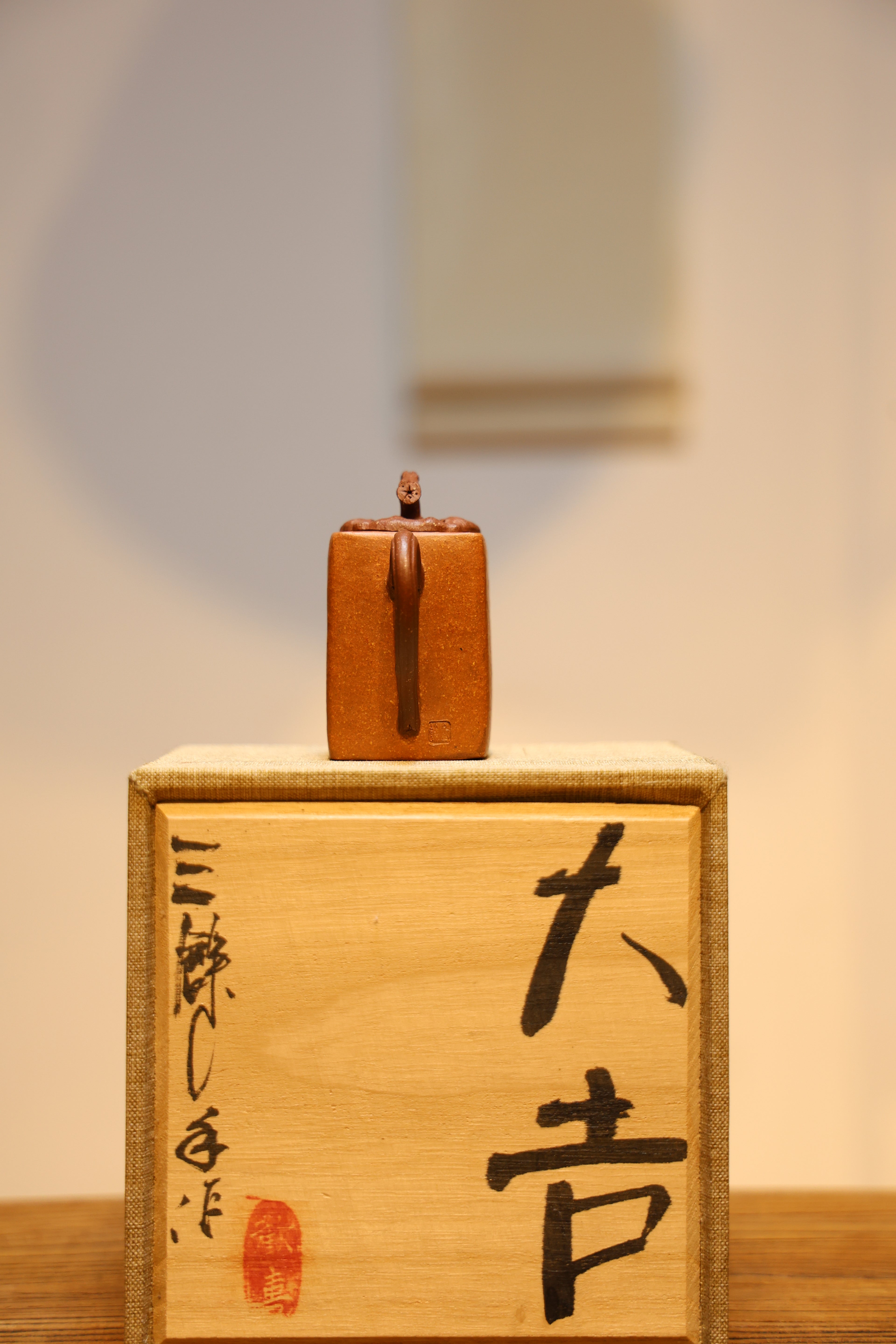
Opening such in-depth inspection concerning Eysing Tzu Sha porcelain pots brings exclusive intriguing blend of craftsmanship alongside practicality.
Ihsing Zi Sha ceramic vessels enjoy a unique allure for curators globally. These outstanding clay vessels, native from the singular Yi-hsing province within Jiangsu district, China, feature more than just brewing tools; they are acknowledged as works decorative beauty and traditional significance. That finely refined clay, known as Zisha, imparts a soft flavor onto the tea, and the detailed designs, often embodying traditional Chinese artistry, increase their fundamental value. Collecting a genuine Yixing Zisha teapot provides a fulfilling journey, posing careful inquiry and an recognition of the numerous factors influencing their singularity.
Learning about Yixing Ceramic Containers
Yixing brewing vessels boast a deep history deeply interwoven with Chinese identity. Originating in Yixing, Jiangsu territory, these pots are crafted from a unique, porous purple dirt found only in that designated location. Their growth began during the Ming epoch, with master artisans refining the systems over years. Numerous types occur, including the classic Hexiang (resembling crab shells), Zhuni (red-brown hue), and Duan Ni (stone-studded) – each with distinctive features. The merit of an Yixing vessel isn't solely Purple Clay Teapot based on its size or trim, but also on the maker’s reputation, the clay's quality, and the container’s age and condition. Enthusiasts often seek out older examples, believing they retain the taste of the tisane brewed within them over time, further adding to their reputation.- Original Pots
- Coppery Pots
- Granite-Dusted Pots
Zisha Teapot Mastery: Handiwork & Techniques
An making of Zisha teapots represents a peak of Chinese ceramic craftsmanship. Skilled artisans employ historic techniques, often passed down through heritage, to unlock the full character of this unique clay. Systems involve meticulous shaping by hand, often combined with the stacking method, followed by precise tempering at incredibly high temperatures in wood-fired kilns. Ornamenting is equally crucial; designers utilize inherent clay colors and may incorporate engraving work to depict intricate scenes or patterns, demonstrating a profound awareness of the material’s properties and vitality. The product teapot isn't merely a vessel for tea, but a testament to a valuable cultural legacy.
Eastern Pottery: A Insight to Yi-hsing Tzu-sha
Delving into the world of a teapots commonly opens with Yixing Zisha. These rare clay vessels are produced from a distinct type of clay harvested only in the Yixing region of the Jiangsu locale province. Known for its remarkable reddish-purple hue and superior features, Zisha clay transfers a light flavor to the liquid and develops with age, transforming a cherished collectible. Acquiring Yixing Zisha clayware is more than just retaining a handsome object; it’s a salute of practice and finesse.
Surveying Yixing Zisha: Authenticity & Value
Venturing into the realm of Yixing Zisha ware can be truly lucrative, but demands a precise eye. Authenticity is paramount; many reproductions manifest, generally artfully assembled. Becoming knowledgeable about ancestral curing practices, defining earth qualities, and the markings of acclaimed fabricators is thoroughly important. In addition, recognizing the nuances of the expansion development – influenced by reasons such as artistic importance and the status of the product – is crucial to sound investing.
- Studying baking background.
- Approaching advisors for validation.
- Understanding exchange movements.
A Method of Steeping with a Yixing Urn
A unique allure of a Zisha apparatus lies not just in its lovely appearance, but also in its profound impact on the bouquet of the infusion. These antique clay earthen vessels, sourced from particular regions of China, possess a native porosity that gradually interacts with the moisture and leaves, imbuing the infusion with a delicate character. Mastering the practice requires a mindful approach, understanding how the mineral responds to diverse heating regimes and herbal types, ultimately leading to a unquestionably rewarding drinking ceremony.
Safeguarding Exclusive Gem
Proper treatment of your Yixing urn is fundamental to sustaining its lastingness. These prized teapots, crafted from rare Yixing clay, accrue a appearance over time that augments their esteem. Consistently rinse the inside part with warm water, avoiding harsh substances, and never use harsh scrubbing tools. Periodic gentle washing with a delicate cloth can facilitate in doing away with residue. Allow your urn to completely dry once each infusion
Decoding Purple: Aspects Given Vessels Symbolize Outstanding
The famous appeal of Yixing teapots arises from the exclusive properties of Zisha clay, mined solely near Yixing, Jiangsu. This distinct clay, consisting of ferruginous clay , displays a remarkable combination of minerals that, through use, soak up the bouquet of the elixirs it handles. This leads to a individual essence for each earthen vessel, delivering it a estimation far beyond its starting price and resulting to their coveted status among devotees.
Spotting the Appropriate Regional Kettle: A Zisha Guide
Venturing into the world of Zisha clay teapots can feel daunting, but understanding the fundamentals is important to finding a beloved piece. Those clay, sourced chiefly from the Yixing zone, Jiangsu locality, is noted for its peculiar structure and ability to raise the character of the tisane over period. Ponder the configuration, the tint, and the visual appeal; a true Zisha teapot is more than just a pot; it's a beautiful creation and a representation of Chinese culture. Analyze the engraving of the designer for clues to its lineage and potential significance.